
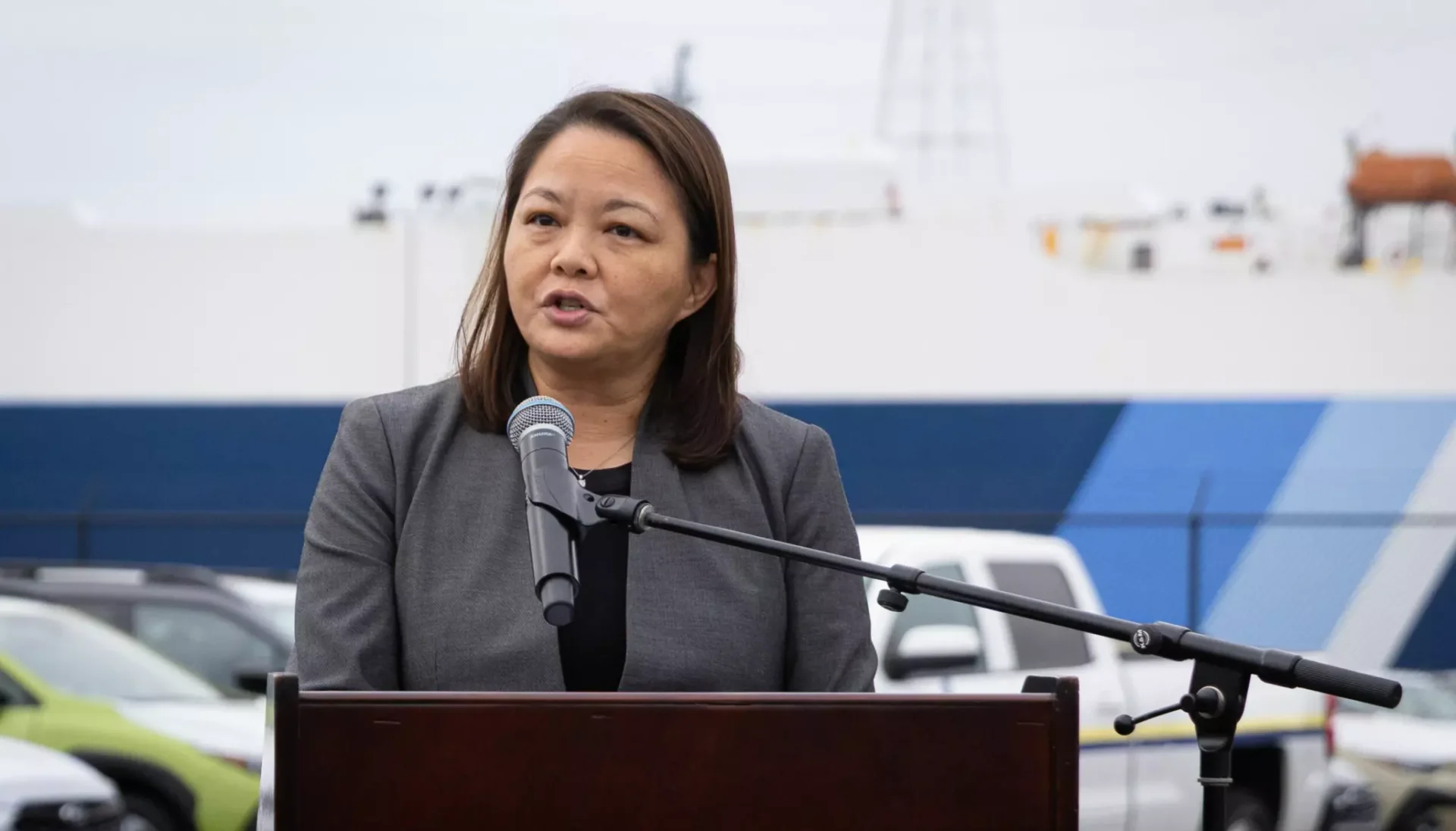
The Port of Vancouver USA has processed its 2 millionth Subaru vehicle, marking a major milestone in its long-standing vehicle logistics partnership with Subaru of America.
The Port of Vancouver USA handled its 2 millionth Subaru vehicle on August 14, 2026, marking more than three decades of vehicle import operations with Subaru. The partnership began in 1993, when the first Subaru vehicle arrived at the Washington state port.
Today, nearly 2,000 Subaru vehicles arrive from Japan each week, with vessel calls carrying between 1,200 and 2,900 vehicles at a time. The port has become Subaru’s largest vehicle import gateway in North America, supporting the movement of vehicles into markets across the Pacific Northwest.
The partnership is also set to continue for the long term. Subaru and the Port of Vancouver have extended their lease agreement through 2040, while expanding the leased terminal area by an additional three acres. The expansion is expected to provide greater flexibility as Subaru’s vehicle volumes and logistics requirements evolve.
Expanded Vehicle Logistics Operations
The port’s role extends beyond vehicle unloading. Subaru’s operations include vehicle preparation, accessory installation, quality checks, rail and truck distribution, and coordination across its wider logistics network.
Vehicles are processed within Subaru’s leasehold, with logistics partners supporting activities such as accessory installation and transportation to dealerships throughout the Pacific Northwest.
The expansion reflects the increasing importance of ports as integrated automotive logistics hubs, rather than simply locations for unloading vehicles from ships.
Outback Returns to Japan Production
The vehicle mix handled through Vancouver is also changing. The Subaru Outback has returned to Japan production, following the shift of manufacturing from Subaru’s Indiana facility to the company’s Gunma operations in Japan late last year.
This change increases the importance of Vancouver as an inbound gateway for Subaru vehicles manufactured in Japan and distributed throughout North America.
The port is also handling an expanding mix of electrified vehicles, including Subaru’s battery-electric models such as the Trailseeker, Solterra and Uncharted.
EVs Add New Requirements
The growth of electric vehicles is introducing additional requirements for automotive ports and vehicle processing facilities. These include charging infrastructure, battery monitoring and specialised handling procedures.
Subaru’s growing EV portfolio is therefore adding another layer of complexity to Vancouver’s vehicle logistics operations, alongside conventional vehicle processing and distribution.
The long-term lease extension through 2040 gives Subaru and the port greater certainty to invest in infrastructure, improve vehicle flows and strengthen the supply chain connecting imported vehicles with dealers across the region.
The 2 millionth Subaru milestone highlights how specialised port infrastructure, inland connectivity and integrated vehicle-processing capabilities are becoming increasingly important to automotive manufacturers and their logistics networks.
