


The rapid development of electric vehicle charging technology is raising an important infrastructure question: can electricity grids support the growing demand for increasingly powerful charging systems?
Speaking about BYD’s megawatt charging technology, Andreas Hensel of the Fraunhofer Institute for Solar Energy Systems ISE said that while megawatt-level charging demonstrates what is technically possible, it is not necessarily the key requirement for the widespread adoption of electric passenger vehicles.
According to Hensel, the bigger challenge is the availability and economic viability of grid connections for high-power charging infrastructure.
Current CCS technology can support charging at up to 500 amps, equivalent to around 400 kW for vehicles using 800-volt systems. However, many electric vehicles on the market cannot reach these charging levels or can only maintain them for a limited period.
Hensel said the technical requirements for higher charging power, including batteries, power electronics, cables and cooling systems, can be addressed with existing technology. However, increasing charging capacity also increases the complexity and cost of both vehicles and charging infrastructure.
Grid expansion presents a major challenge
The expansion of electricity networks could become one of the biggest constraints on the development of high-performance charging parks.
Grid operators require years of planning to increase network capacity. Hensel noted that distribution-grid capacity could need to roughly double over the next decade in some areas, creating a significant infrastructure challenge.
The issue is particularly relevant as charging networks expand to support electric passenger vehicles, commercial vehicles and heavy-duty electric trucks.
800-volt charging already supports high-power EVs
For passenger vehicles, Hensel believes existing and planned high-power charging infrastructure can adequately support the next generation of 800-volt electric vehicles.
Many EVs currently operate at charging capacities of between 100 kW and 150 kW, with some models capable of considerably higher rates.
This suggests that the future of EV charging may depend less on achieving ever-higher peak charging speeds and more on developing reliable, accessible and economically viable charging infrastructure.
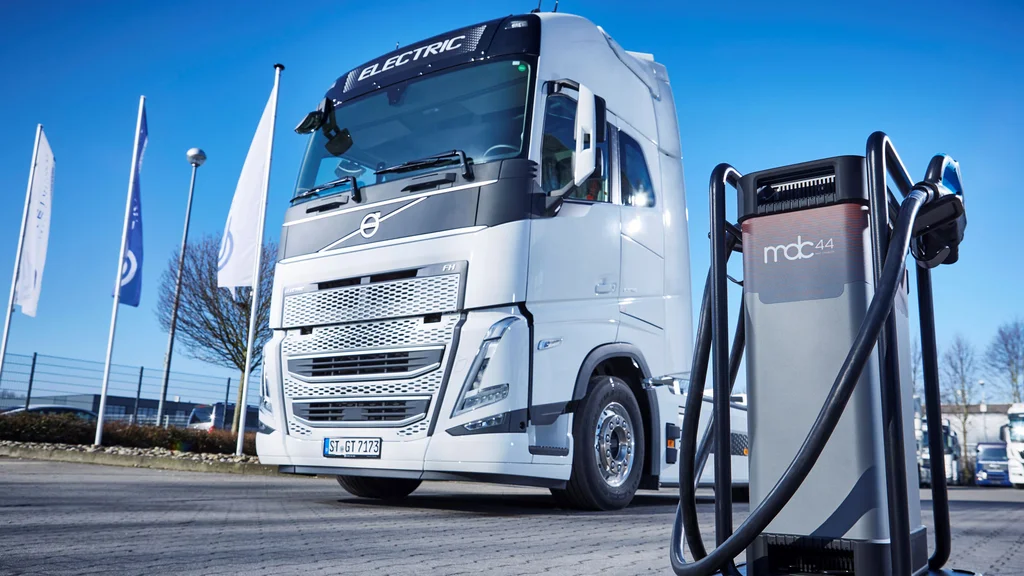
Megawatt charging could nevertheless become more important for specific applications, particularly electric trucks and other commercial vehicles with large batteries and demanding operating schedules.
The development of resilient charging parks will therefore require closer consideration of grid capacity, site selection, infrastructure investment and the economics of delivering high-power charging.
As EV adoption continues, the ability of electricity networks to accommodate charging demand could become just as important as advances in vehicle and charging technology.
