

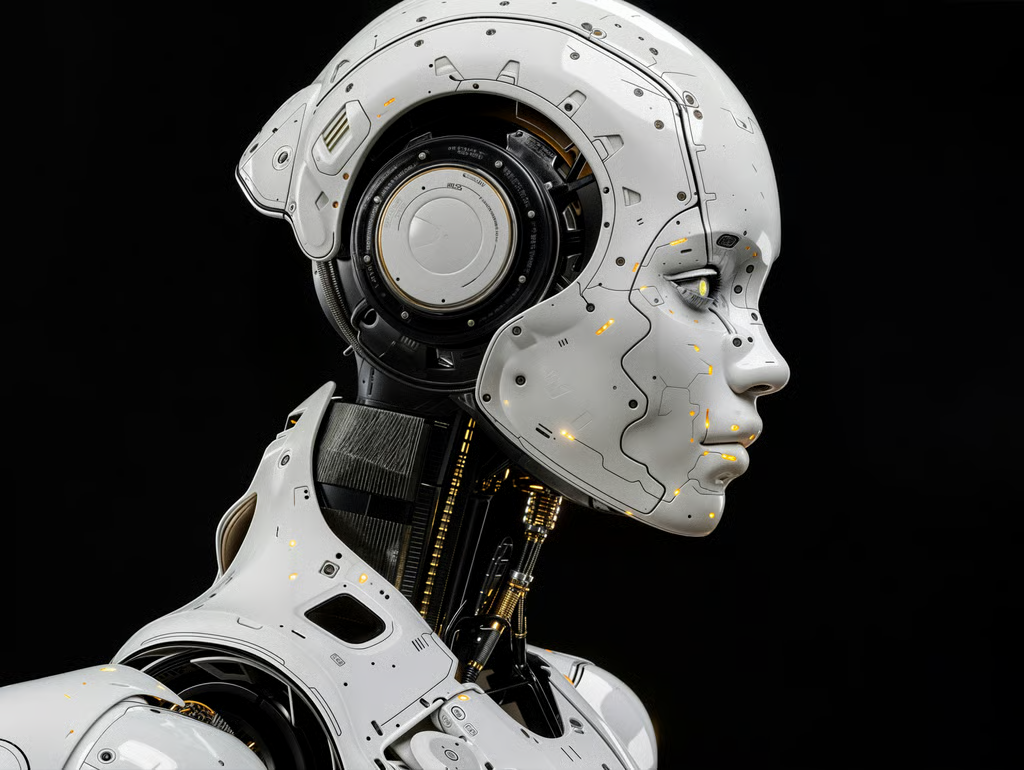
Figure has demonstrated another step forward in humanoid robotics after its Figure 03 robot autonomously climbed a ladder using the company’s Helix artificial intelligence system.
The demonstration highlights advances in whole-body robotic control, as humanoid machines are increasingly being developed to operate in environments designed for humans rather than being limited to flat, controlled surfaces.
According to Figure, the robot completed the ladder-climbing task autonomously without remote control or a scripted sequence. The ability to climb a ladder requires the robot to continuously maintain balance while coordinating its arms and legs and interpreting its surroundings in real time.
The demonstration follows updates to Figure’s Helix AI system, which combines visual perception with whole-body motion control. The system uses onboard stereo cameras alongside the robot’s proprioceptive capabilities, allowing it to understand its surroundings while monitoring its own position and movement.
Figure says its AI models are trained through reinforcement learning in simulated environments featuring varied terrain. The company aims to transfer these learned behaviours directly to physical robots, allowing them to navigate stairs, ladders and uneven surfaces without additional calibration.
The development could have significant implications for industrial applications. Humanoid robots capable of navigating stairs, ladders and difficult terrain could potentially operate in factories, warehouses, construction sites and maintenance environments, where conventional mobile robots may face mobility limitations.
However, the ladder demonstration remains a technology milestone rather than proof of widespread commercial readiness. Figure has not publicly disclosed detailed success rates, testing conditions or performance under more demanding circumstances.
The company’s progress comes as the humanoid robotics industry increasingly shifts its focus from basic walking capabilities towards practical autonomous mobility, with manufacturers seeking to demonstrate whether robots can reliably perform complex tasks in unpredictable working environments.
For industrial customers, the key challenge will be achieving consistent, safe and repeatable performance at scale rather than simply demonstrating individual capabilities.
