

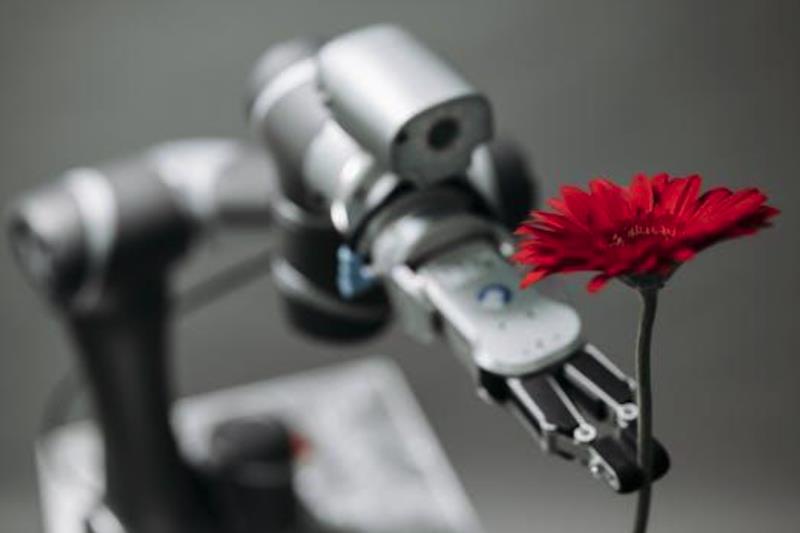
As industries continue to embrace automation, robotic vision systems and automated inspection technologies are becoming increasingly important in manufacturing, logistics, electronics, automotive production, and industrial processing. While much attention is often given to artificial intelligence, machine learning algorithms, high-performance processors, and advanced imaging software, the reliability of these systems ultimately depends on something far more fundamental: signal integrity.
At the heart of every vision-guided robot and automated inspection platform is a network of cameras, sensors, communication devices, and control systems that must exchange vast amounts of data accurately and in real time. Ensuring that these signals are transmitted without interference, distortion, or interruption is where RF connectors play a vital role.
Protecting Signal Integrity in Demanding Industrial Environments
Modern factories are challenging environments for electronic communication systems. Electric motors, variable frequency drives, high-power machinery, and industrial equipment generate electromagnetic interference that can negatively affect signal quality.
In robotic vision applications, even minor disruptions in signal transmission can compromise image quality, timing accuracy, and data reliability. High-performance RF connectors help maintain signal integrity by ensuring proper shielding, impedance control, and stable electrical connections between system components.
When signal pathways are compromised, the effects are often subtle rather than immediate. A barcode may occasionally be misread, a product defect may go undetected, or an inspection system may generate false rejects. Over time, these seemingly minor issues can lead to reduced productivity, increased waste, and higher operating costs.
Supporting Reliable Performance Under Continuous Motion
Unlike stationary equipment, robotic systems operate under constant movement and repetitive motion cycles. Industrial robots accelerate, decelerate, rotate, and perform thousands of identical movements every day.
This continuous activity places significant stress on cables, connectors, and communication interfaces. Vibration, cable flexing, and mechanical strain can gradually degrade electrical contacts, loosen connections, and introduce intermittent faults that are often difficult to diagnose.
Robotic vision systems rely on repeatability and consistency to deliver accurate inspection results. A connector that performs differently under motion can introduce signal variations that affect system accuracy and reliability. For this reason, secure locking mechanisms, effective strain relief, and stable contact performance are essential considerations when selecting RF connectors for automated applications.
Ensuring Accurate Timing and Sensor Communication
Automated inspection systems depend on precise synchronization between multiple devices. Cameras, sensors, encoders, lighting systems, and controllers must work together with exact timing to capture and process information accurately.
Any disruption in communication can introduce timing errors, signal jitter, or latency issues that compromise system performance. Poor shielding or unstable connections can create unwanted electrical noise that affects trigger signals and data transmission.
RF connectors are specifically designed to support high-frequency signal transmission while maintaining shielding continuity and impedance stability. This helps ensure predictable communication between devices and enables the deterministic performance required for advanced automation systems.
As production environments become increasingly data-driven, maintaining reliable communication across connected devices is becoming more critical than ever.
Reducing Downtime Through Better Connectivity
Maintenance teams understand that even small component failures can lead to significant production disruptions. Connectors that are difficult to install, prone to loosening, or susceptible to contamination often become weak points within an automation system.
Industrial-grade RF connectors are designed for reliability, allowing technicians to perform maintenance quickly and confidently. Secure mating mechanisms, durable construction, and resistance to vibration and environmental conditions help reduce the likelihood of unexpected failures.
Although premium connectors may represent a higher initial investment, they often deliver substantial long-term savings by minimizing downtime, reducing troubleshooting requirements, and extending equipment service life.
In high-volume manufacturing operations where every minute of downtime carries a financial cost, dependable connectivity can make a significant difference to overall operational performance.
The Foundation of Reliable Automation
As robotic vision and automated inspection technologies continue to advance, attention is naturally focused on software capabilities, artificial intelligence, and processing power. However, these sophisticated systems remain dependent on the physical infrastructure that supports them.
RF connectors may be small components, but their impact on system performance is substantial. They help preserve signal quality, ensure accurate communication, support reliable timing, and maintain stable operation in demanding industrial environments.
For manufacturers investing in smart factories, Industry 4.0 initiatives, and advanced automation systems, selecting the right interconnect technology is not simply a technical consideration—it is a critical factor in achieving reliable, accurate, and efficient operations.
In the world of automated inspection and robotic vision, successful decision-making begins with clean, dependable signals. And those signals depend on the quality of the connections that carry them.
