
BMW delivered a stronger-than-expected second-quarter performance after reducing operating costs and benefiting from solid demand for its latest vehicle models, despite ongoing challenges in global automotive markets.
The German automaker reported an automotive earnings before interest and taxes (EBIT) margin of 2.3% for the quarter, exceeding analyst expectations and remaining within its projected annual guidance. While profitability declined compared to the previous year, the results indicate progress as BMW continues to navigate a highly competitive market.
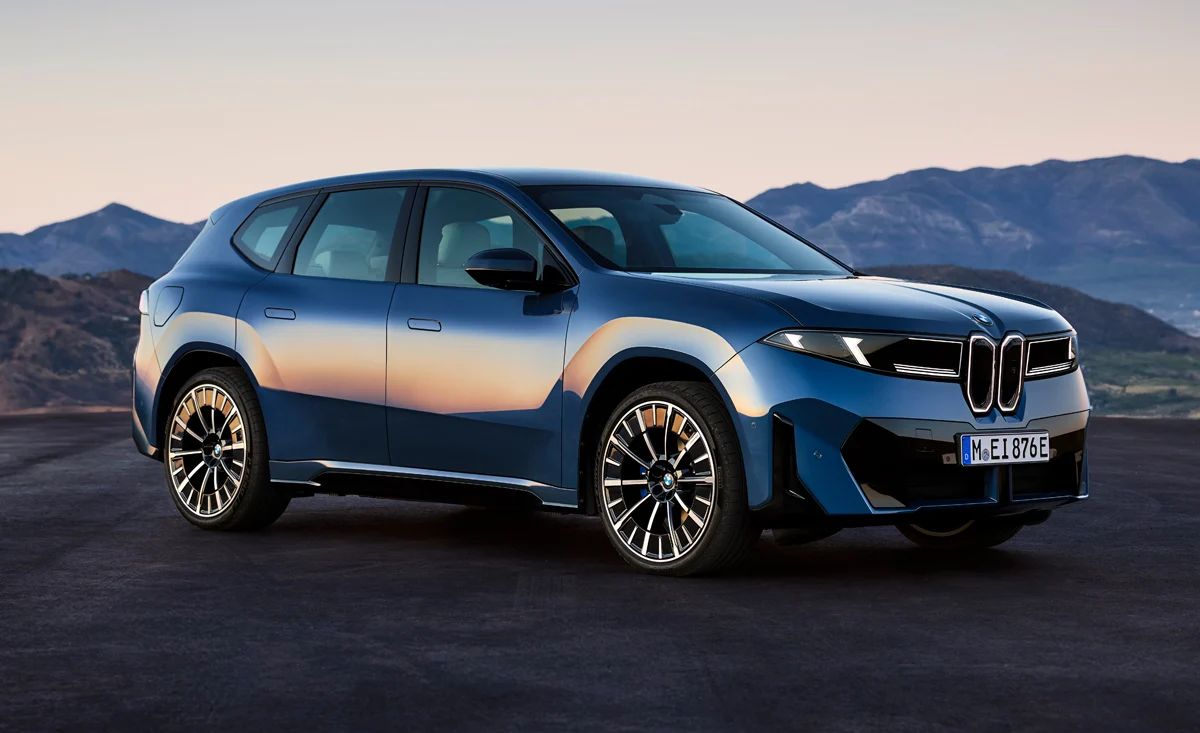
Strong customer demand for the company’s latest models, including the all-electric BMW iX3 from the upcoming Neue Klasse platform and the recently launched BMW i3 sports sedan, contributed positively to quarterly performance. BMW also recorded nearly 12% growth in vehicle deliveries across Europe and the United States during the period.
However, the company continues to face significant pressure from weaker vehicle sales in China, rising import tariffs, higher commodity costs and unfavourable currency movements. BMW said tariffs affecting trade with the United States and Europe reduced its automotive EBIT margin by approximately 1.25 percentage points during the quarter.
To strengthen profitability, BMW is accelerating cost-saving initiatives, including plans to reduce its workforce by around 8,000 employees through voluntary severance programmes. The company is also increasing the use of artificial intelligence to improve efficiency across its vehicle development operations while exploring new partnerships and adapting products to regional market preferences.
China remains BMW’s biggest challenge as competition from domestic manufacturers, including electric vehicle producers such as BYD and Xiaomi, continues to intensify. For the first time in a decade, BMW’s vehicle sales in China fell below its sales volume in the Americas during the second quarter.
Despite these headwinds, BMW remains committed to restoring its long-term automotive EBIT margin target of between 8% and 10% by the beginning of the next decade through continued innovation, operational efficiency and expansion of its next-generation vehicle portfolio.
